
 This week, with Jonathan hard at work compiling his year’s best anthology, we revisit one of the oldest questions about science fiction—namely, what is it and how do you decide what to include or exclude from an anthology clearly labelled as science fiction?
Rather than trying to offer our own definitions, we discuss the problem of definition in general. Gary argues that the many definitions of SF could be classed as the functional (or purely practical, like Damon Knight’s famous “what I point toâ€), the rhetorical (definitions designed to promote the importance of the genre), and the theoretical (lit-crit stuff). We agreed that such definitions tend to change over time.
That leads us into a discussion of the current state of space opera, and the question of whether the space setting is a defining feature, even when, as with Aliette de Bodard’s The Tea Master and the Detective, the plot is borrowed from mysteries. Â
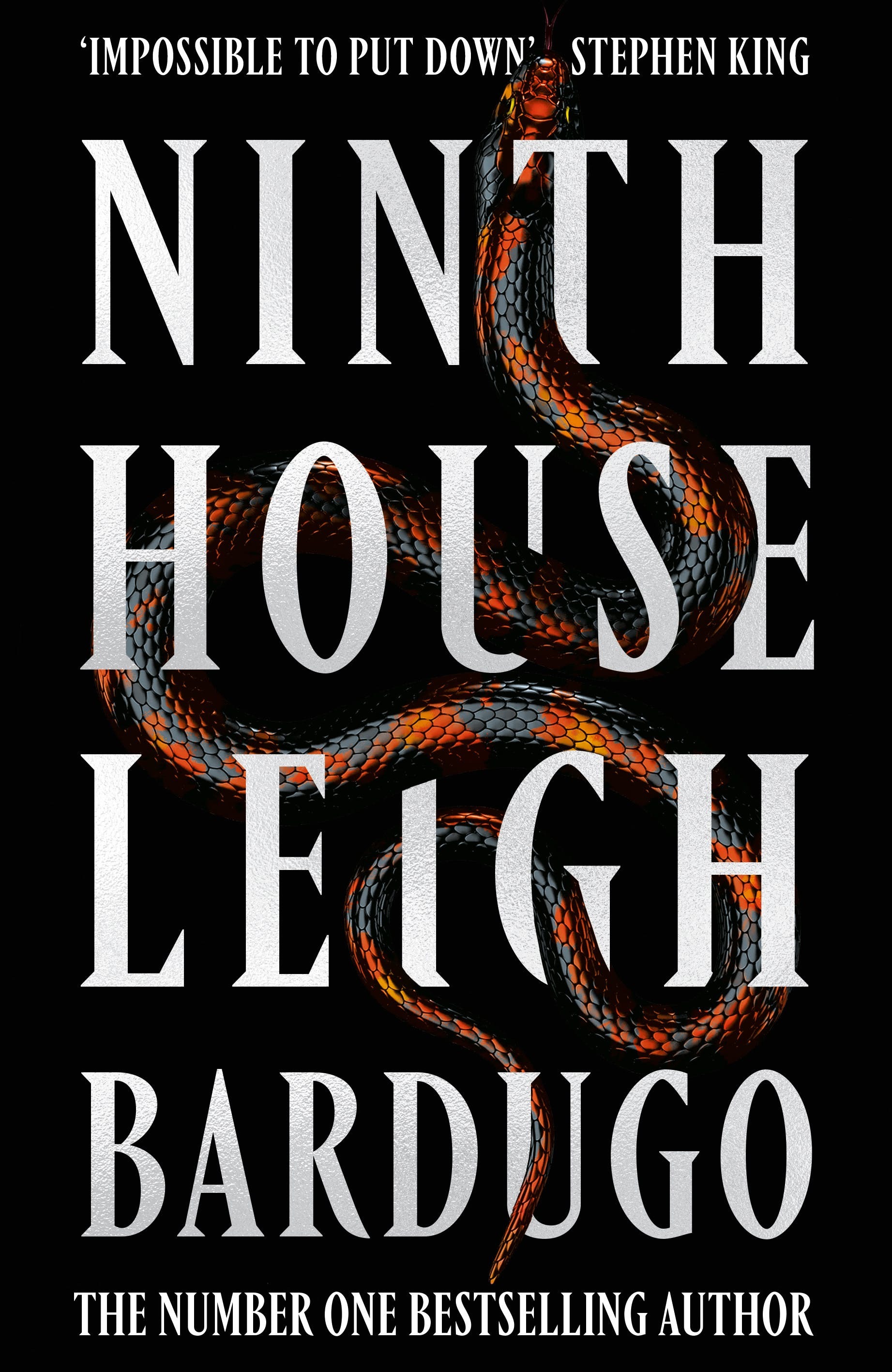
Finally, we talk about some of our current reading. Gary mentions Rivers Solomon’s The Deep, which he sees as representing a fascinating collaboration between music and fiction since the central idea began with the techno-electronic duo Drexciya, became a Hugo-nominated rap by Clipping and is now Solomon’s novel.  Jonathan mentioned Leah Bardugo’s bestselling new fantasy, Ninth House, which is out now and which he recommends.
As always, we hope you enjoy the podcast. We’ll be back soon!
 After acknowledging that we failed to record a single podcast during the Dublin Worldcon, Jonathan and Gary compare notes about the con and the general wonderfulness of being in Ireland, than discussed perhaps the most debated bit of news emerging from Dublin: the renaming of the John W. Campbell award following the passionate acceptance speech by Jeanette Ng. This raised the issue of whether it’s a good idea to name an award in honour of any past figure in the field, given the shifting historical and literary influences of modern writers, and the problems that might arise concerning such figures.