It’s awards season again (or maybe still), so Jonathan and Gary take a moment to remind everyone of the deadlines for nominating candidates for Hugo, Locus, World Fantasy, and Nebula Awards, and to discuss briefly a proposal to add a one-time category of “Best Fantasy Novel” to the Hugos at the 2024 Glasgow Worldcon.
They also chat a bit about the Best Related Work Hugo, and whether or not certain categories might be eliminated. First, however, they touch upon whether the central concerns of mainstream SF were laid down in the interwar era, as Paul Kincaid argues in a new essay. And then Niall Harrison’s new collection, All These Worlds: Reviews and Essays. Finally, we touch upon the question of how important opening paragraphs and titles are when it comes to drawing a reader into a work of fiction.
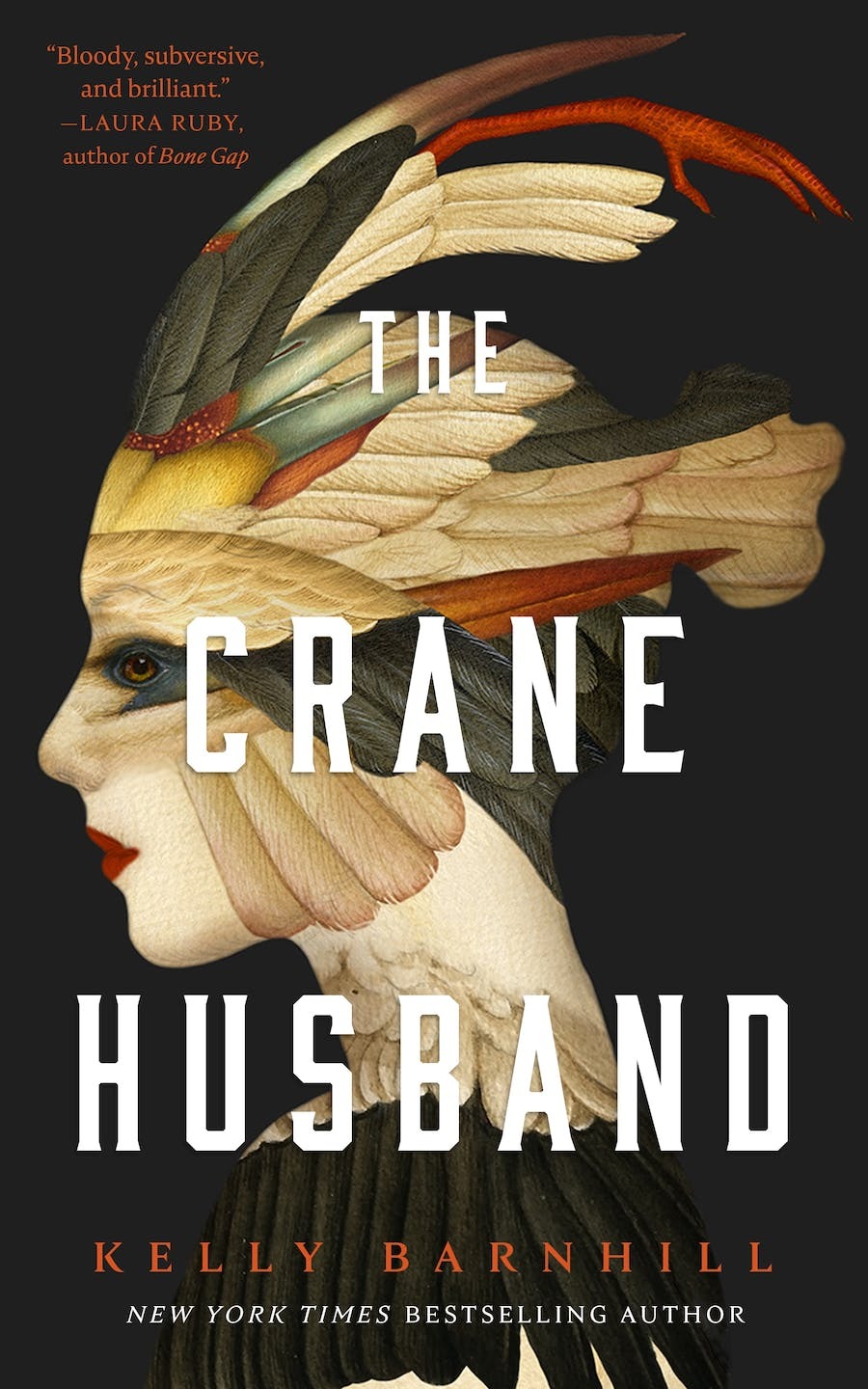
This week Jonathan and Gary are joined by World Fantasy and Newbery Award winner Kelly Barnhill, whose When Women Were Dragons was one of last year’s outstanding fantasy novels. We talk about her just-published The Crane Husband, which powerfully combines aspects of the classic fairy tale, science fiction, horror, and coming-of-age tale. We touch upon mixing genres, writing while raising a family, making up disposable fairytales, how stories involve both the forebrain and the hindbrain, and reading Terry Pratchett.
2022 was a year when I edited two original anthologies, five novellas published by Tordocom, eight of Tor.com’s short stories, and acted as reviews editor for Locus for the 20th consecutive year.
As a podcaster, we managed a total of 50 episodes, including the Coode Street Advent Calendar, which was fun.
We are always casting around for inspiration. After getting ChatGPT to provide a new introduction for the podcast, Gary and Jonathan kick off a discussion about the health of the short fiction field, the scope and variety of short story collections due to be published in 2023, and share some (okay, many) thoughts on the history of short fiction collections in the science fiction field.
As always, we hope you enjoy the podcast. We’ll see you again in two weeks.
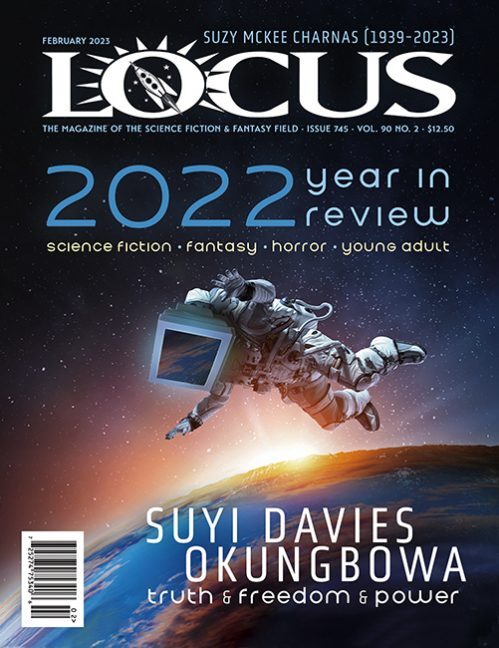
This week, in our more-or-less annual discussion of the Locus Recommended Reading List, we are delighted to be joined by Locus Editor-in-Chief Liza Groen Trombi.
We talk about the purpose of the list, how it has changed over the years, how books or stories get on the list, and a few thorny questions about how to decide whether a novel is SF or fantasy if it contains substantial elements of both. In addition to mentioning some of our own favourite works of the year, we touch upon the importance of the First Novels list, which might be a harbinger of what’s to come, and how story collections and YA novels have grown in importance over the years.
As always, our thanks to Liza and we hope you enjoy the episode.